
Proof of Residence: Why It’s Needed and How Best to Provide It
When opening a Payoneer account, you might be asked to provide a proof of residence documenting that the address you used to register is indeed where you live. We request proof of residence for several reasons, namely, to protect all our customers’ accounts. Along with the other verification procedures set by the different regulatory bodies…
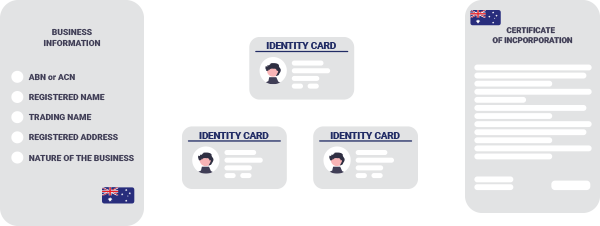

When opening a Payoneer account, you might be asked to provide a proof of residence documenting that the address you used to register is indeed where you live. We request proof of residence for several reasons, namely, to protect all our customers’ accounts.
Along with the other verification procedures set by the different regulatory bodies we belong to, proof of residence allows Payoneer to protect against fraudulent and illegal activities. Here, we’ll cover the correct way to submit a proof of residence, helping to ensure a smooth registration process so you can start taking advantage of your Payoneer account.
What Can I Use as A Proof of Residence?
You have several options when it comes to submitting a proof of residence. Acceptable documents include:
- Utility bill – A scanned copy of a utility bill (gas, water, electricity, landline phone, internet or cable bills are acceptable), no older than three months. The bill needs to include your name and the exact address you used when registering to Payoneer.
- Bank statement – A scanned bank statement, no older than three months, containing your name and the exact address you used when registering to Payoneer.
- Rental agreement – A scanned copy of a complete rental agreement containing your name and the exact address you used when registering to Payoneer, together with a utility bill no older than three months in your landlord’s name.
Ensuring Your Proof of Residence is Properly Submitted
In addition to using the right type of document, there are several guidelines you need to follow to ensure your proof of residence is properly submitted, including:
- Your document needs to clear and readable.
- Your document needs to be in color.
- You need to submit the entire document, from end to end.
- If you’re sending in your proof of residence through your mobile, it’s best to take a picture of the document and not to compress the image instead of using a scanning app.
That’s it! If you have any questions regarding your proof of residence, visit our customer support center by clicking below.
[cta-button text=”Customer Support Center” url=”https://payoneer.custhelp.com/app/login_form/redirect/Contact_us” color=”#FF4800″ type=”my-account-action”]
Related resources

Discover Your All-In-One Ecommerce Payments Solution
Learn how eCommerce businesses can use Payoneer to receive marketplace payments, pay suppliers, manage multiple currencies, access working capital, and streamline global business payments.


Your Business Payments Are in Good Hands
Learn how to use Payoneer to receive payments from clients and marketplaces, access your funds, pay suppliers, manage currencies, and use additional tools that help simplify global business payments.

Avail the Most Trusted Payment Partner in India
Learn how businesses in India can use Payoneer to receive cross-border payments, withdraw earnings automatically, access Digital FIRCs, pay European VAT, and manage international business payments from one account.

Discover Payoneer’s Services for Your Business
Learn how to make the most of your Payoneer account, from receiving international payments and requesting payments from clients to withdrawing funds, paying suppliers, managing currencies, and accessing additional business…

How to Integrate Payoneer Checkout with Ueeshop
Learn how to integrate Payoneer Checkout with Ueeshop, configure your payment setup, and discover how to accept secure payments while supporting your cross-border ecommerce business.

How to Integrate Payoneer Checkout with WooCommerce
Learn how to integrate Payoneer Checkout with WooCommerce, configure your preferred checkout experience, and start accepting secure online payments through your WordPress store.

How to Integrate Payoneer Checkout with Shoplazza
Learn how to integrate Payoneer Checkout with Shoplazza, set up secure payment acceptance, and discover how a seamless checkout experience can support your online business.

How to Integrate Payoneer Checkout with Shopify
Learn how to integrate Payoneer Checkout with Shopify, set up secure online payments, and discover how a streamlined checkout experience can support your ecommerce growth.

How to Integrate Payoneer Checkout with Shopline
Learn how to integrate Payoneer Checkout with Shopline, set up your payment solution, and discover how it helps you accept secure payments and deliver a better checkout experience for customers.
Latest articles
-

Discover Your All-In-One Ecommerce Payments Solution
Learn how eCommerce businesses can use Payoneer to receive marketplace payments, pay suppliers, manage multiple currencies, access working capital, and streamline global business payments.
-
Your Business Payments Are in Good Hands
Learn how to use Payoneer to receive payments from clients and marketplaces, access your funds, pay suppliers, manage currencies, and use additional tools that help simplify global business payments.
-
Avail the Most Trusted Payment Partner in India
Learn how businesses in India can use Payoneer to receive cross-border payments, withdraw earnings automatically, access Digital FIRCs, pay European VAT, and manage international business payments from one account.
-
Discover Payoneer’s Services for Your Business
Learn how to make the most of your Payoneer account, from receiving international payments and requesting payments from clients to withdrawing funds, paying suppliers, managing currencies, and accessing additional business tools.
-
How to Integrate Payoneer Checkout with Ueeshop
Learn how to integrate Payoneer Checkout with Ueeshop, configure your payment setup, and discover how to accept secure payments while supporting your cross-border ecommerce business.
-
How to Integrate Payoneer Checkout with WooCommerce
Learn how to integrate Payoneer Checkout with WooCommerce, configure your preferred checkout experience, and start accepting secure online payments through your WordPress store.






Disclaimer
The information in this article/on this page is intended for marketing and informational purposes only and does not constitute legal, financial, tax, or professional advice in any context. Payoneer and Payoneer Workforce Management are not liable for the accuracy, completeness or reliability of the information provided herein. Any opinions expressed are those of the individual author and may not reflect the views of Payoneer or Payoneer Workforce Management. All representations and warranties regarding the information presented are disclaimed. The information in this article/on this page reflects the details available at the time of publication. For the most up-to-date information, please consult a Payoneer and/or Payoneer Workforce Management representative or account executive.
Availability of cards and other products is subject to customer’s eligibility. Not all products are available in all jurisdictions in the same manner. Nothing herein should be understood as solicitation outside the jurisdiction where Payoneer Inc. or its affiliates is licensed to engage in payment services, unless permitted by applicable laws. Depending on or your eligibility, you may be offered the Corporate Purchasing Mastercard, issued by First Century Bank, N.A., under a license by Mastercard® and provided to you by Payoneer Inc., or the Payoneer Business Premium Debit Mastercard®, issued and provided from Ireland by Payoneer Europe Limited under a license by Mastercard®.
Skuad Pte Limited (a Payoneer group company) and its affiliates & subsidiaries provide EoR, AoR, and contractor management services.
