
Global money transfers: How to make safe international transactions
In our interconnected world, global money transfers are an essential part of business and personal finance. Whether you’re a small business owner expanding into international markets, a freelancer working with clients abroad, or a consumer purchasing products from another country, understanding how to transact safely on a global scale is crucial.
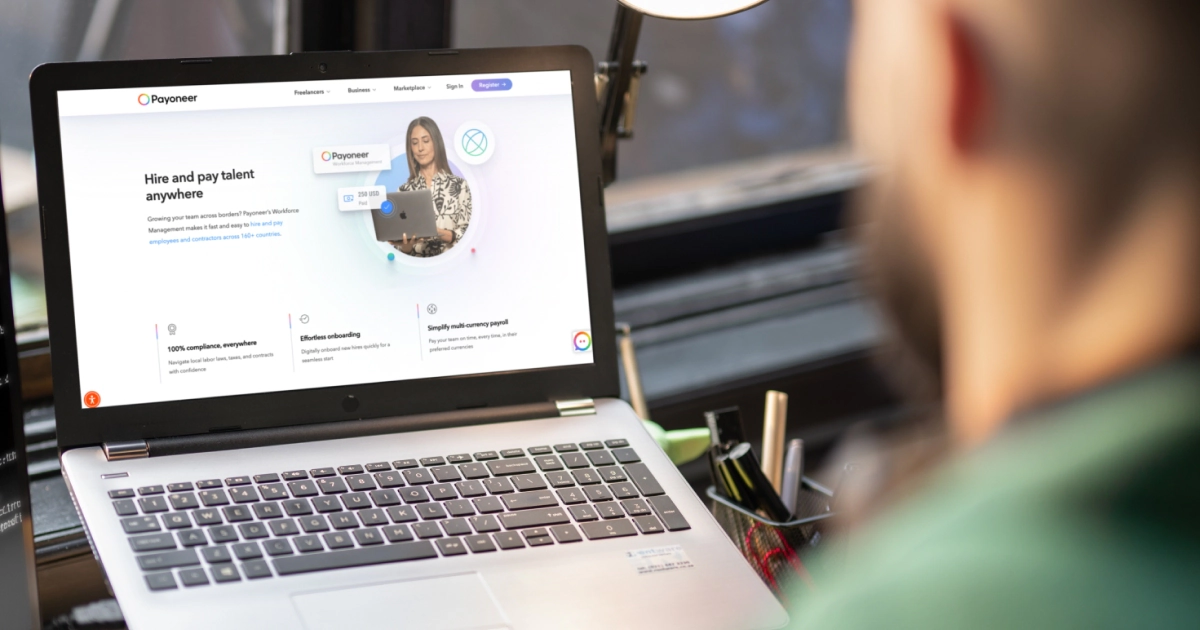

In our interconnected world, global money transfers are an essential part of business and personal finance. Whether you’re a small business owner expanding into international markets, a freelancer working with clients abroad, or a consumer purchasing products from another country, understanding how to transact safely on a global scale is crucial.
Here are some tips to help you navigate the complexities of international payments securely.
1. Choose reputable payment methods
Selecting a reputable and secure payment method is the first step in ensuring safe global money transfers. Here are some widely trusted options:
- Credit cards: Most credit cards offer robust fraud protection, making them a secure choice for international transactions.
- Bank transfers:
- SWIFT Transfers: International wire transfers through the SWIFT network are a common method for large transactions. They are secure but can be slow and costly due to fees and exchange rates.
- SEPA Transfers: For transactions within the European Union, SEPA (Single Euro Payments Area) transfers are fast and usually cost-effective.
- Digital wallets: Google Pay and Apple Pay allow users to make payments using their smartphones. They are widely accepted for both online and in-person payments.
- Payoneer
- Payoneer is an excellent option for both businesses and freelancers. It offers a secure platform for sending and receiving payments globally, with features tailored for global commerce, including multi-currency accounts and low conversion fees. Need to wire money internationally? Here’s our definitive guide to international wire transfers.
- Other online payment platforms:
- Stripe: Popular for online businesses, Stripe supports global payments and offers robust security features and integration with various e-commerce platforms.
- Skrill: Skrill provides international money transfer services and is widely used for online transactions, especially in the gaming and betting industries.
- Neteller: Like Skrill, Neteller is another online payment platform that supports international money transfers and is popular in certain industries.
2. Verify the legitimacy of sellers and buyers
Before engaging in a transaction, it’s essential to verify the legitimacy of the other party. Here are some ways to do this:
- Research: Conduct thorough research on the company or individual. Look for reviews, ratings, and any history of complaints.
- Direct communication: Communicate directly with the seller or buyer. Genuine businesses and individuals will be transparent and willing to answer your questions.
- Check credentials: For businesses, verify their business licenses and credentials. For individuals, consider using platforms that verify identities.
3. Understand currency exchange rates and fees
Currency exchange rates can significantly impact the cost of your transactions. To avoid surprises:
- Use trusted exchange services: use reliable currency exchange services to get the best rates.
- Monitor rates: keep an eye on exchange rates to time your transactions when rates are favorable.
- Payoneer benefits: Payoneer provides competitive conversion rates and allows you to hold multiple currencies in your account, helping you manage exchange rate fluctuations efficiently.
4. Be cautious of scams and fraud
Fraud is a significant risk in global transactions. Here are some common scams and how to avoid them:
- Phishing scams: Be wary of emails requesting your personal or financial information. Cybercriminals send deceptive emails to lure victims into sharing personal or financial information, clicking on malicious links, or downloading harmful software or applications. Always verify the sender’s authenticity before taking any action. Learn more about protecting yourself from phishing attacks
- Smishing scams: Just like email-based phishing attacks, these deceptive SMS messages often appear to be from trusted sources, and they use social engineering tactics to create a sense of urgency, curiosity, or fear to manipulate the recipient into taking an undesired action.
- Too good to be true offers: if a deal seems too good to be true, it probably is. Exercise caution and conduct thorough due diligence.
- Fake websites: ensure the website you’re transacting on is legitimate. Look for HTTPS in the URL and check for secure payment gateways.
Tip: Multi-factor authentication adds an extra layer of security by requiring users to verify their identity through multiple means. So even if a user’s password is compromised, an attacker would still need to use additional verification factors to gain access.
5. Use secure networks
Always conduct transactions over secure networks to protect your financial information. Avoid using public wi-fi for sensitive transactions. Instead, use a secure and private network, and consider using a virtual private network (VPN) for added security.
6. Keep records of transactions
Maintaining detailed records of your international transactions can help resolve any disputes and track your spending. Keep copies of invoices, receipts, and communication with the other party. Payoneer simplifies this by providing detailed transaction histories and easy-to-access account statements, all from your Payoneer account dashboard.
7. Understand import and export regulations
When buying or selling goods internationally, it’s crucial to understand the import and export regulations of the countries involved. This includes:
- Customs duties: be aware of any customs duties or taxes that may apply to your transaction.
- Prohibited items: ensure that the goods you’re transacting are not prohibited or restricted in either country.
- Shipping regulations: understand the shipping regulations and requirements to avoid delays or additional charges.
8. Leverage technology
Use technology to enhance the safety and efficiency of your global transactions:
- Blockchain technology: blockchain offers a secure and transparent way to record transactions, reducing the risk of fraud.
- Payment platforms: utilize trusted international payment platforms like Payoneer, which offers secure transaction processing, multi-currency accounts, and seamless integration with major marketplaces and networks.
9. Seek legal advice when necessary
For complex transactions or when in doubt, seek legal advice. An attorney experienced in international trade can provide guidance and ensure that your transactions comply with all relevant laws and regulations.
Conclusion
Transacting globally opens up a world of opportunities, but global money transfers come with their own set of challenges and risks. By choosing reputable payment methods, verifying the legitimacy of the other party, understanding currency exchange rates and fees, being cautious of scams, using secure networks, keeping detailed records, understanding import and export regulations, leveraging technology, and seeking legal advice when necessary, you can ensure safe money transfers with confidence and peace of mind.
Safe and secure global transactions are the foundation of successful international business and personal financial management. Utilizing services like Payoneer can streamline your international payments, making your global transactions more efficient and secure.
Disclaimer
The information in this article/on this page is intended for marketing and informational purposes only and does not constitute legal, financial, tax, or professional advice in any context. Payoneer and Payoneer Workforce Management are not liable for the accuracy, completeness or reliability of the information provided herein. Any opinions expressed are those of the individual author and may not reflect the views of Payoneer or Payoneer Workforce Management. All representations and warranties regarding the information presented are disclaimed. The information in this article/on this page reflects the details available at the time of publication. For the most up-to-date information, please consult a Payoneer and/or Payoneer Workforce Management representative or account executive.
Availability of cards and other products is subject to customer’s eligibility. Not all products are available in all jurisdictions in the same manner. Nothing herein should be understood as solicitation outside the jurisdiction where Payoneer Inc. or its affiliates is licensed to engage in payment services, unless permitted by applicable laws. Depending on or your eligibility, you may be offered the Corporate Purchasing Mastercard, issued by First Century Bank, N.A., under a license by Mastercard® and provided to you by Payoneer Inc., or the Payoneer Business Premium Debit Mastercard®, issued and provided from Ireland by Payoneer Europe Limited under a license by Mastercard®.
Skuad Pte Limited (a Payoneer group company) and its affiliates & subsidiaries provide EoR, AoR, and contractor management services.
