
Leave policy in Poland
Learn about the leave policy in Kenya, including annual leave, public holidays, sick leave, and employer obligations under Polish labor law.
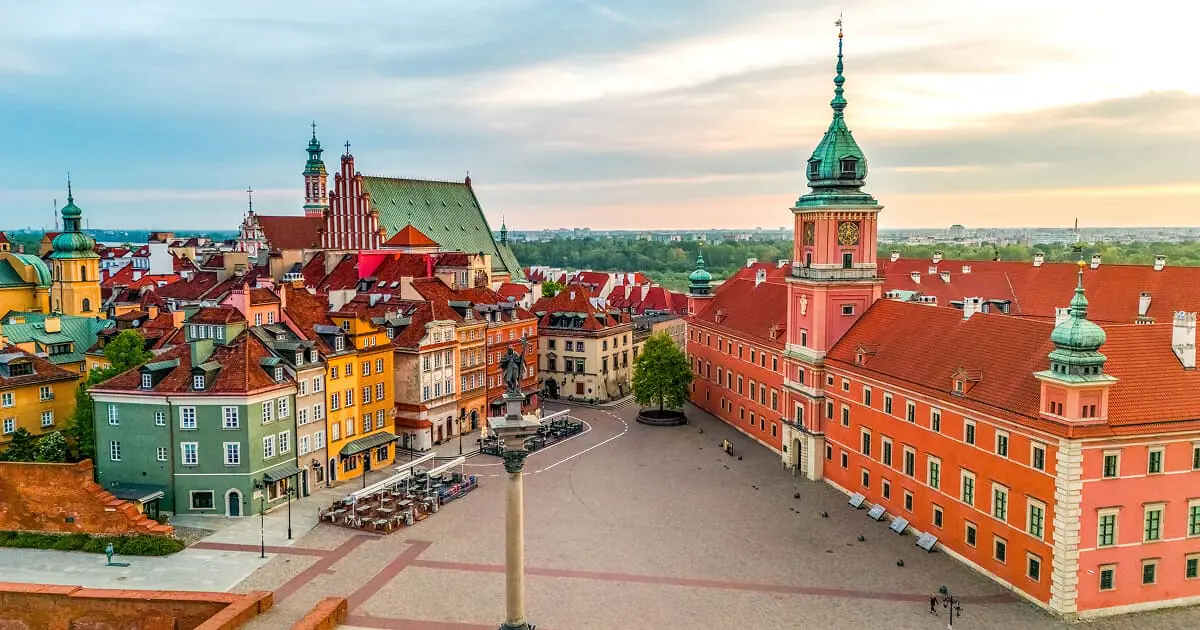

Hiring in a foreign country unlocks new opportunities, but it also comes with a set of responsibilities towards employees. If you’re planning to hire in Poland, understanding local employment laws is essential for building a sustainable and compliant workforce. It is essential to review the leave policy in Poland to understand the time-off entitlements to which your employees are legally entitled.
From annual leave in Poland to parental and sick leave, local labour laws set clear standards that are legally binding and critical to cultivating a productive work environment.
In this guide, we will explore the leave policies in Poland, enabling you to plan your operations accordingly.
Annual leave in Poland
Employees are entitled to a structured annual leave policy in Poland. Here’s what the annual time-off framework looks like:
| Employment period less than 10 years | Up to 20 days |
| Employment period 10 years or more | Up to 26 days |
To reach 26 days, an employee’s education plus work experience is counted (A degree = 8 years + 2 years work experience = 10 years).
Work experience during the degree does not count.
The annual leave in Poland is calculated proportionally for part-time employees. For example, if the part-time work entails half the timings of full-time employment policies, the leave equals 10 or 13 days.
Public holidays in Poland
Leave policies in Poland outline 14 public holidays in a calendar year. All official work is supposed to remain suspended on these days. Here is a comprehensive list of public holidays observed across the country:
| Date | Holiday |
|---|---|
| 1 Jan | New Year’s Day |
| 6 Jan | Epiphany |
| 20 Apr | Easter Sunday |
| 21 Apr | Easter Monday |
| 1 May | Labor Day |
| 3 May | Constitution Day |
| 8 Jun | Whit Sunday |
| 19 Jun | Corpus Christi |
| 15 Aug | Assumption Day |
| 1 Nov | All Saints’ Day |
| 11 Nov | Independence Day |
| 24 Dec | Christmas Eve |
| 25 Dec | Christmas Day |
| 26 Dec | 2nd Day of Christmas |
Sick leave policy in Poland
Employees are entitled to 182 days of paid leave in the event of illness, injury, or medical condition. In case of pregnancy or Tuberculosis, employees get 270 days of sick leave.
The amount of pay for sick leaves is 80% of the regular salary, paid by the employer for the first 33 days, and later by the ZUS.
Maternity leave in Poland
Poland’s employment laws have strict policies regarding maternity leave, and female employees are entitled to full pay during the maternity leave period. The Social Security Institute covers maternity pay at 100% of the employee’s salary.
The employee is entitled to use up to 6 weeks of maternity leave before the expected date of birth. The rest can be utilized after the child is born.
The number of children influences the duration of this leave:
| 1 child | 20 weeks |
| 2 children | 31 weeks |
| 3 children | 33 weeks |
| 4 children | 35 weeks |
| 5 or more children | 37 weeks |
If an employee has not utilized the leave before childbirth, then the maternity leave begins on the day of birth. After childbirth, the employee is entitled to 14 weeks of compulsory leave.
However, they might renounce the remaining 6 weeks of leave and return to work, provided that the father has utilized the remaining leave period.
Women who lose a pregnancy at any stage are entitled to 8 weeks of maternity leave with 100% benefit.
Paternity leave in Poland
A paternity leave for up to 2 weeks is applicable for fathers raising their child. However, this leave can be either taken altogether or in two parts (typically not shorter than a week).
Parental leave in Poland
The leave policy in Poland suggests that employers grant mandatory parental leave to employees.
- 32 weeks in the case of one child
- 34 weeks in the case of multiple children
The pay rates are as follows:
- Standard Leave: The initial 6 weeks of leave are compensated at 100% of the salary.
- Multiple Births: For multiple births, the first 8 weeks are paid at 100% of the salary.
- Extended Leave: All remaining weeks of leave are compensated at 60% of the salary.
Training leave
Employees are entitled to training leave if they are undergoing professional training. This is what the duration framework is.
| For extramural examinations | 6 Days |
| For matriculation examinations | 6 Days |
| For professional qualifications | 6 Days |
| For diploma examinations and thesis | 21 Days |
Carer’s leave
Employees who need to provide personal care or support to a family member with serious medical issues are entitled to 5 days of carer’s leave per year.
Other leave policies in Poland
In addition to the time-off mentioned above, leave policies in Poland extend to the following types of special leaves:
- Time required to appear in court, police, and public authorities
- Blood donation leave
- Wedding, death‑related leaves (2 days / 1 day)
- Force majeure leave (2 days or 16 hours at 50% pay)
- Job‑seeker leave (2-3 days, depending on notice period)
Explore Payoneer Workforce Management in Poland
Poland’s comprehensive leave policies cover several types of leave. For employers managing the leave entitlement framework, it can be troublesome, especially across a distributed workforce.
Payoneer Workforce Management can assist you in handling employment contracts, payroll, benefits, timesheets, and more effectively.
FAQs
1) How many annual leave days are there in Poland?
Employees in Poland are entitled to either 20 or 26 days of paid annual leave, depending on their total years of employment. Less than 10 years of employment grants 20 days, while 10 or more years grants 26 days. Educational periods can also count toward this total.
2) What are the public holidays in Poland?
Poland observes 14 public holidays annually, including New Year’s Day, Easter Monday, Constitution Day, All Saints’ Day, and Christmas.
3) Do part-time employees get the same leave benefits in Poland?
Yes, but proportionally. Part-time employees in Poland are entitled to annual leave calculated based on their work schedule. For example, an employee working 50% of full-time hours would receive half the standard leave entitlement.
Hire & pay globally with Payoneer Workforce Management
- Expand internationally in 160+ countries
- Run global payroll securely in a few clicks
- Stay compliant with local employment laws
- Let Payoneer Workforce Management manage benefits, work permits, timesheets, and more so you don’t have to


Schedule a demo
Related resources

Leave policy in Costa Rica
A detailed look at annual leave, public holidays, maternity leave, paternity leave, and sick leave entitlements in Costa Rica, and how EOR can simplify them.


Leave policy in Romania
Understand employee leave policy in Romania, including annual leave in Romania, maternity, paternity, and sick leave, and learn how to manage teams compliantly.

Planning to hire employees in Belgium? Here’s a quick guide
Learn how to engage employees in Belgium. Explore working hours, payroll, leave policies, taxes, compliance requirements, and the essentials of the hiring process.

Leave policy in China
A simple guide to leave policies in China, including annual leave, sick leave, maternity leave, paternity leave, public holidays, and other statutory leave entitlements.

Employment laws in Denmark
Understand employment laws in Denmark, including working hours, leave, termination rules, and compliance tips for hiring.
Your guide to payroll in Denmark
A detailed look at Denmark payroll, including pay cycles, salary tax in Denmark, employer taxes, deductions, and payroll compliance. Explore tips for payroll management in Denmark.

Leave policy in Portugal
Learn about the different leave policies entitled to the Portuguese workforce, along with complete compliance with Payoneer Workforce Management.

Leave policy in Vietnam
Learn about leave policies in Vietnam. This guide covers sick days, maternity leave, and public holidays in Vietnam
Planning to hire employees in Denmark? Here’s a quick guide
Learn about employment regulations in Denmark, tax obligations, leave policies, and how Payoneer Workforce Management helps you engage talent compliantly.
Latest articles
-

Leave policy in Costa Rica
A detailed look at annual leave, public holidays, maternity leave, paternity leave, and sick leave entitlements in Costa Rica, and how EOR can simplify them.
-
Leave policy in Romania
Understand employee leave policy in Romania, including annual leave in Romania, maternity, paternity, and sick leave, and learn how to manage teams compliantly.
-
Planning to hire employees in Belgium? Here’s a quick guide
Learn how to engage employees in Belgium. Explore working hours, payroll, leave policies, taxes, compliance requirements, and the essentials of the hiring process.
-
How New Game Studios in the Philippines Manage Revenue Across Global Platforms
This guide explores how game studio CEOs and founders can utilize fragmented income streams from Steam, App Stores, ad networks, and more, while mitigating FX volatility and legacy banking lags.
-
Leave policy in China
A simple guide to leave policies in China, including annual leave, sick leave, maternity leave, paternity leave, public holidays, and other statutory leave entitlements.
-
Employment laws in Denmark
Understand employment laws in Denmark, including working hours, leave, termination rules, and compliance tips for hiring.





Disclaimer
The information in this article/on this page is intended for marketing and informational purposes only and does not constitute legal, financial, tax, or professional advice in any context. Payoneer and Payoneer Workforce Management are not liable for the accuracy, completeness or reliability of the information provided herein. Any opinions expressed are those of the individual author and may not reflect the views of Payoneer or Payoneer Workforce Management. All representations and warranties regarding the information presented are disclaimed. The information in this article/on this page reflects the details available at the time of publication. For the most up-to-date information, please consult a Payoneer and/or Payoneer Workforce Management representative or account executive.
Availability of cards and other products is subject to customer’s eligibility. Not all products are available in all jurisdictions in the same manner. Nothing herein should be understood as solicitation outside the jurisdiction where Payoneer Inc. or its affiliates is licensed to engage in payment services, unless permitted by applicable laws. Depending on or your eligibility, you may be offered the Corporate Purchasing Mastercard, issued by First Century Bank, N.A., under a license by Mastercard® and provided to you by Payoneer Inc., or the Payoneer Business Premium Debit Mastercard®, issued and provided from Ireland by Payoneer Europe Limited under a license by Mastercard®.
Skuad Pte Limited (a Payoneer group company) and its affiliates & subsidiaries provide EoR, AoR, and contractor management services.
