
Employment laws in Croatia
Learn about local labor laws in Croatia, including employment contracts, minimum wage, and working hours. See how Payoneer Workforce Management helps streamline onboarding, compliance, payroll coordination, and employee administration.
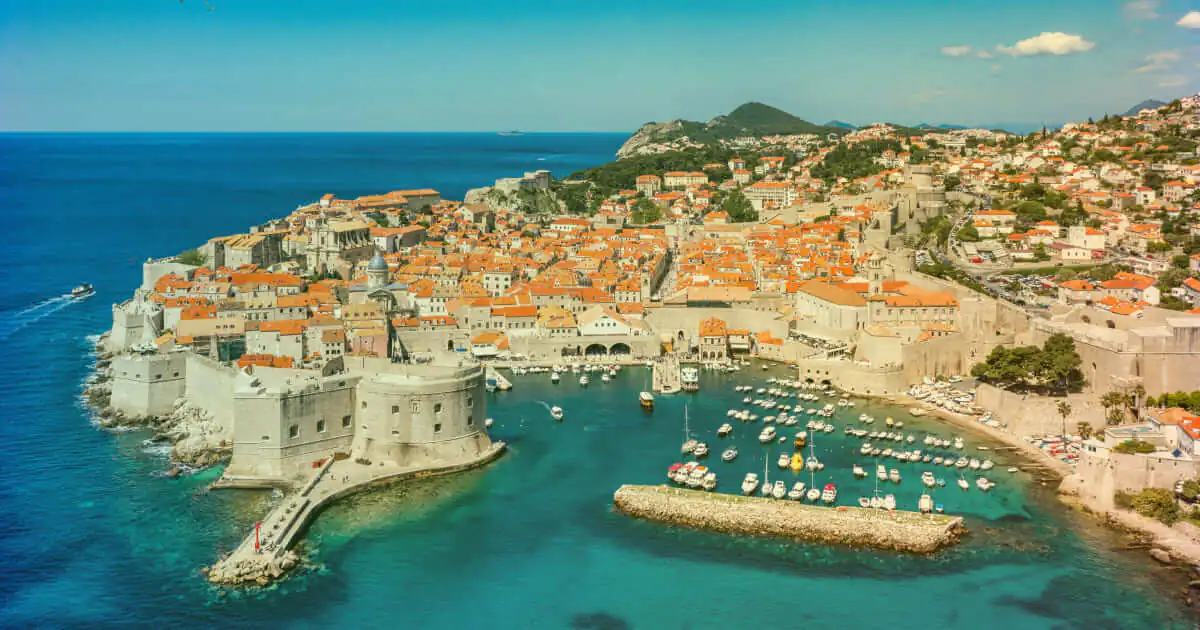

If you’re planning to expand into Croatia, its access to the European market, skilled workforce, and evolving business environment make it an attractive choice for growth.
However, entering a new market comes with its share of responsibilities. Understanding employment laws in Croatia is crucial for ensuring smooth operations, as these regulations govern various aspects of day-to-day management, including hiring practices, payroll processing, and other essential management practices.
Staying aligned with labor law compliance in Croatia also helps businesses mitigate legal risks while creating a fair and structured work environment.
Taking the time to understand how these laws work can make a real difference. It allows employers to operate with clarity, reduce disruptions, and build a more stable foundation for long-term success.
With that in mind, here’s a closer look at the key employment laws in Croatia and how Payoneer Workforce Management can streamline employment-related formalities.
Key employment laws in Croatia
Croatia has a strong framework of employment laws. These laws protect the interests of both employers and employees, thereby ensuring optimum productivity at the workplace.
- Croatian Labor Act (Zakon o radu): It is the primary law that governs the employment relationships in Croatia and covers all the important aspects like types of employment contracts, leave entitlements, and so on.
- Minimum Wage Act (Zakon o minimalnoj plaći): This law determines the minimum wage that employees are entitled to.
- Maternity and Parental Benefits Act (Zakon o rodiljnim i roditeljskim potporama): This law regulates the maternity and paternity leave rights. It also talks about the protections and financial benefits that employees are entitled to before and after childbirth.
- Occupational Safety and Health Act (Zakon o zaštiti na radu): Abiding by this law, employers will have to ensure safe working conditions for employees and provide protection to them against workplace injuries or other health hazards.
- Anti-Discrimination Act (Zakon o suzbijanju diskriminacije): This law prohibits the unjustified discrimination in the field of employment based on gender, religion, age, ethnicity, sexual orientation, and so on.
Contract employment laws in Croatia
Employment contracts in Croatia specify the kind of relationship between employers and employees.
The different types of employment contracts in Croatia are:
1. Indefinite or Permanent employment contract: Under Croatian employment law, a contract is considered indefinite unless a specific duration is clearly stated.
2. Definite or Fixed-term employment contract: A fixed-term employment contract shall be concluded after a fixed period of time. The termination of an employee is pre-determined by a deadline, the occurrence of a particular event, or the performance of a specific task.
Essential contract terms
In Croatia, employers have to give a written statement of the employment contract to the employees. A Croatian version of the employment contract is a must for compliance reasons.
This employment contract shall outline the terms of employment. Employment contracts in Croatia should contain the following:
- Information of both parties and their place of residence or the registered office
- The place of work
- The name of the job, nature of work, and the description of the job for which the employee is being assigned
- The day of commencement of the work
- The duration of the contract, if it is a fixed-term employment contract
- Rules on notice period
- The employee’s basic salary, additional salary supplements, and the period of benefits for which the employee is entitled
- The duration of working days per week
Minimum wage in Croatia
The statutory minimum gross salary that employees in Croatia are entitled to receive is €970. This amount may vary depending on the sector or on the basis of collective agreements between the employers and the employees.
Employers should define the compensation clearly in the employment contract.
Using a cost calculator may help understand a breakdown of all the deductions, like income tax and social security contributions.
While Croatia sets its own minimum wage levels, nearby countries such as Serbia have different thresholds, which is important for employers managing a regional workforce.
Working hours in Croatia
A full-time working employee in Croatia shall work for 40 hours every week. A 30-minute break is included in the working hours.
Overtime laws in Croatia
According to the overtime laws in Croatia, if there is an increase in the scope of work, or some other urgency arises at the workplace, then employers have to inform employees in writing about working overtime.
The maximum limit of overtime is 50 hours in a week, and 180 hours in a year.
There are some special cases in which employers can assign overtime work to employees only if they give written consent. Such cases include:
- Pregnant women
- A parent whose child is up to 3 years of age
- A single parent whose child is up to 6 years of age
- A worker who owns several part-time jobs
Employers have to pay employees a separate compensation for working overtime, in difficult conditions, on holidays, night shifts, and Sundays, the method and rate of which shall be determined through a collective agreement.
Mandatory benefits
In Croatia, benefits and leave entitlements constitute a core aspect of employee rights and directly impact employee experience.
Employers must ensure these are clearly established at the start of the employment relationship.
- Annual leave in Croatia: If an employee works 5 days a week in Croatia, they are entitled to an annual leave of 20 days.
- Sick leave in Croatia: If the employer is paying, then employees shall be entitled to sick leave for 42 calendar days. During this period, employers pay 70% of the employee’s average salary. After that, the payment is made by the Croatian Health Insurance Fund.
- Public holidays: Employees receive 14 public holidays in Croatia. They are as follows:
- New Year’s Day (Nova godina)
- Epiphany (Sveta tri kralja)
- Easter Sunday (Uskrs)
- Easter Monday (Uskrsni ponedjeljak)
- Labor Day (Praznik rada)
- Statehood Day (Dan državnosti)
- Corpus Christi (Tijelovo)
- Anti-Fascist Struggle Day (Dan antifašističke borbe)
- Victory and Homeland Thanksgiving Day (Dan pobjede i domovinske zahvalnosti)
- Assumption of Mary (Velika Gospa)
- All Saints’ Day (Svi sveti)
- Homeland War Victims Remembrance Day (Dan sjećanja na žrtve Domovinskog rata)
- Christmas Day (Božić)
- St. Stephen’s Day (Sveti Stjepan)
- Maternity leave: Employees in Croatia can take maternity leave of 98 days. They shall take their leave at least 28 days before the birth of the child, and the remaining days after the child is born.
- Paternity leave: In Croatia, fathers shall get paternity leave for 20 days for one child. If the employee has twins or more, they shall get a 30-day leave. Employees get 100% salary during this period.
- Health insurance: All employees in Croatia are entitled to a mandatory health insurance managed by the Croatian Health Insurance Fund (HZZO). This insurance covers the expenses for basic medical care and hospital treatment, and other sick leave benefits. The rate of payroll contribution is 16.5%.
- Social security: In Croatia, there are three main types of insurance-based social security branches:
- Pension insurance covering invalidity, old-age, occupational disease, employment injury, or death.
- Health insurance covering the risk of temporary inability to work due to maternity or illness.
- Unemployment insurance covers the risk of unemployment and promotes the rehabilitation of unemployed professionals who were disabled at work.
Termination
For an employer, it is equally important to understand termination laws as it is to understand the onboarding process. These laws lay down a guideline that both the employer and employee should follow while ending an employment relationship.
Valid termination scenarios
Listed below are the situations in which the termination of an employment contract may be considered valid.
- The employee voluntarily resigns from their position.
- The employment ends by mutual agreement between the employee and employer.
- Either party terminates the contract during the probationary period.
- The employer terminates the employee due to misconduct, poor performance, or unauthorized absence.
In every case, the decision is to be delivered to the employee in writing, citing proper reasons for the termination.
Termination without cause
According to the termination laws in Croatia, employers cannot terminate employees without a valid cause and must clearly state the reasons for dismissal.
If an employee believes they have been dismissed unlawfully, they may file a complaint with the employer within 15 days. The employer is required to respond within 15 days of receiving the complaint. If the response is unsatisfactory, the employee has the right to seek legal recourse.
Probation period rules
The Croatian labor law does not specify a minimum duration of the probation period in Croatia. It can, however, not last longer than 6 months.
If an employee is terminated while in the probation period, they have to serve at least a week’s notice period.
Notice period after probation
After employees have completed the probation period, the notice period in Croatia is determined based on how long they have been employed.
| Employment Duration | Notice Period |
|---|---|
| Less than 1 year | 2 weeks |
| 1 year | 1 month |
| 2 years | 1.5 months |
| 5 years | 2 months |
| 10 years | 2.5 months |
| 20 years | 3 months |
If an employee is terminated for misconduct, the notice period is halved with respect to the above.
Employees are entitled to four paid hours per week to search for a new job and receive full pay if exempted from work during the notice period.
For employee resignation, the notice period may be limited to a maximum of one month if justified. No notice period applies to employees aged 65 or above with at least 15 years of service.
Severance pay
If an employee is dismissed after being employed for two years, and the employee’s conduct is not the reason for dismissal, the employer is required to pay severance pay.
The amount of severance pay in Croatia is calculated by multiplying one-third of the employee’s average monthly salary during the last three months by the number of years the employee has worked with the organization.
Navigate employment laws in Croatia with Payoneer Workforce Management
For companies, especially those entering the business market for the first time, it may seem difficult to adhere to the employment laws accurately.
From employment contracts to payroll, leave management, and termination rules, employers must navigate multiple local regulations.
Workforce management platforms, like Payoneer Workforce Management, can help simplify these processes by supporting the employee lifecycle through a unified platform.
This makes it easy for employers to manage onboarding, working hours, time-off management, and notice period requirements while aligning day-to-day operations with local compliance needs.
FAQs
1. What are the rights of employees in Croatia?
According to the employment laws in Croatia, employees have statutory rights pertaining to working hours, minimum wages, workplace protection, leaves, and access to public health insurance and workplace injury insurance. Employers further lay down regulations about notice periods in order to maintain lawful treatment during the dismissal of an employment contract.
2. Are employment contracts mandatory in Croatia?
Yes, documentation plays an important role in the employment landscape of Croatia, be it for hiring or terminating an employee. Employers have to provide an employment contract, in Croatian, to employees that will list all the provisions of the employment agreement between the employer and the employee. It also helps maintain labor law compliance in Croatia.
3. How is overtime regulated in Croatia?
Employers may ask employees to work overtime in Croatia, but the overtime hours are subject to legal limits. According to the overtime laws in Croatia, overtime hours cannot exceed 50 hours per week or 180 hours per year. Employees should be compensated for the overtime hours they work.
4. How can employers stay compliant with Croatia’s employment laws and regulations?
In order to remain compliant, employers have to lay down guidelines and set policies right from the beginning. They should prepare elaborate employment contracts that list everything, ranging from the employment type, duration, job description, location, working hours, leave rules, basic pay, and so on. Adherence to all the labor laws in Croatia can help employers remain compliant with Croatia’s employment laws and regulations.
5. How does Payoneer Workforce Management simplify compliance with Croatian labor laws?
Payoneer Workforce Management helps businesses comply with employment laws in Croatia by providing payroll support, localized contract templates, and streamlined benefits, leaves and terminations. This helps reduce compliance risks and administrative burden on you.
Hire & pay globally with Payoneer Workforce Management
- Expand internationally in 160+ countries
- Run global payroll securely in a few clicks
- Stay compliant with local employment laws
- Let Payoneer Workforce Management manage benefits, work permits, timesheets, and more so you don’t have to


Schedule a demo
Related resources

Your guide to payroll in Croatia
Learn about Croatia payroll processing, including taxes, contributions, compliance, and payslip requirements to manage payroll efficiently, stay compliant, and how Payoneer Workforce Management can help.


Employment laws in Peru
Your guide to employment laws in Peru, including contracts, termination, probation, working hours, and employee rights. Explore how EOR can help.

Employment laws in Chile
A clear guide to employment laws in Chile, from hiring to termination. Covers essential labor laws in Chile that every employer should know.
Leave policy in Peru
A simple guide to leave entitlements in Peru, including annual leave, sick leave, maternity leave, paternity leave, and public holidays. Explore how an EOR can help.
Leave policy in Chile
Learn about leave policy in Chile, including annual leave, public holidays, sick leave, maternity leave, and paternity leave. Learn how Payoneer Workforce Management can help.

Leave policy in Costa Rica
A detailed look at annual leave, public holidays, maternity leave, paternity leave, and sick leave entitlements in Costa Rica, and how EOR can simplify them.

Leave policy in Romania
Understand employee leave policy in Romania, including annual leave in Romania, maternity, paternity, and sick leave, and learn how to manage teams compliantly.

Planning to hire employees in Belgium? Here’s a quick guide
Learn how to engage employees in Belgium. Explore working hours, payroll, leave policies, taxes, compliance requirements, and the essentials of the hiring process.

Employment laws in Serbia
Explore employment laws in Serbia, including contracts, working hours, overtime, employee rights, and termination rules.
Latest articles
-

Employment laws in Croatia
Learn about local labor laws in Croatia, including employment contracts, minimum wage, and working hours. See how Payoneer Workforce Management helps streamline onboarding, compliance, payroll coordination, and employee administration.
-
Your guide to payroll in Croatia
Learn about Croatia payroll processing, including taxes, contributions, compliance, and payslip requirements to manage payroll efficiently, stay compliant, and how Payoneer Workforce Management can help.
-
Employment laws in Peru
Your guide to employment laws in Peru, including contracts, termination, probation, working hours, and employee rights. Explore how EOR can help.
-
Employment laws in Chile
A clear guide to employment laws in Chile, from hiring to termination. Covers essential labor laws in Chile that every employer should know.
-
Leave policy in Peru
A simple guide to leave entitlements in Peru, including annual leave, sick leave, maternity leave, paternity leave, and public holidays. Explore how an EOR can help.
-
Leave policy in Chile
Learn about leave policy in Chile, including annual leave, public holidays, sick leave, maternity leave, and paternity leave. Learn how Payoneer Workforce Management can help.


Disclaimer
The information in this article/on this page is intended for marketing and informational purposes only and does not constitute legal, financial, tax, or professional advice in any context. Payoneer and Payoneer Workforce Management are not liable for the accuracy, completeness or reliability of the information provided herein. Any opinions expressed are those of the individual author and may not reflect the views of Payoneer or Payoneer Workforce Management. All representations and warranties regarding the information presented are disclaimed. The information in this article/on this page reflects the details available at the time of publication. For the most up-to-date information, please consult a Payoneer and/or Payoneer Workforce Management representative or account executive.
Availability of cards and other products is subject to customer’s eligibility. Not all products are available in all jurisdictions in the same manner. Nothing herein should be understood as solicitation outside the jurisdiction where Payoneer Inc. or its affiliates is licensed to engage in payment services, unless permitted by applicable laws. Depending on or your eligibility, you may be offered the Corporate Purchasing Mastercard, issued by First Century Bank, N.A., under a license by Mastercard® and provided to you by Payoneer Inc., or the Payoneer Business Premium Debit Mastercard®, issued and provided from Ireland by Payoneer Europe Limited under a license by Mastercard®.
Skuad Pte Limited (a Payoneer group company) and its affiliates & subsidiaries provide EoR, AoR, and contractor management services.
