
Leave policy in Hong Kong
Explore leave laws in Hong Kong, including annual leave, sick leave, maternity leave, and public holidays, to stay compliant with local employment laws.


Providing employees with leave is essential to building a productive and fair workplace. In Hong Kong, employers must provide statutory benefits such as annual leave based on employees’ tenure of service, 2 paid sick leaves per month, and 14 weeks of maternity leave.
For businesses expanding into Hong Kong, it is essential to navigate compliance with Hong Kong’s leave entitlements to minimize legal risks.
This article highlights how an Employer of Record (EOR) like Payoneer Workforce Management can help organizations understand and efficiently implement these requirements.
Vacation & annual leave in Hong Kong
The number of annual leaves in Hong Kong depends on an employee’s tenure of service. Have a look at the table below:
| Tenure of service | Annual leaves |
|---|---|
| 1-2 years | 7 days |
| 2-3 years | 8 days |
| 4-5 years | 9 days |
| 5-6 years | 10 days |
| 6-7 years | 11 days |
| 7-8 years | 12 days |
| 8-9 years | 13 days |
| 9 or more years | 14 days |
Public holiday
There are 14 statutory and 4 additional general public holidays in Hong Kong.
Have a look at the holiday calendar for Hong Kong:
- The first day of January
- Lunar New Year’s Day
- The second day of the Lunar New Year
- The third day of the Lunar New Year
- Ching Ming Festival
- Labour Day
- The Birthday of the Buddha
- Tuen Ng Festival
- Hong Kong Special Administrative Region Establishment Day
- National Day
- The day following the Chinese Mid-Autumn Festival
- Chung Yeung Festival
- Chinese Winter Solstice Festival or Christmas Day (at the option of the employer)
- The first weekday after Christmas Day
Sick leave in Hong Kong
Employees shall get paid sick leave in Hong Kong for 2 days per month during the first year of employment and 4 days of paid sick leave per month during the subsequent years. Employees may accumulate up to 120 days of leave.
For the first 36 days, standard documentation is enough. However, for the remaining 84 days, the employee has to produce additional documentation if the employer requests it.
The employee is typically paid at 80% of the salary earned in the previous 12 months.
Maternity leave in Hong Kong
You have to grant your female employees maternity leave in Hong Kong for 14 weeks. To avail this benefit, the employee must be employed under a continuous contract for at least 40 weeks immediately before the maternity leave commences.
Paternity leave in Hong Kong
Your employees are entitled to 5 days of paid paternity leave in Hong Kong, given that the employee has been engaged in a continuous contract for at least 40 weeks before the beginning of the paternity leave.
Other types of leave in Hong Kong
Like the Philippines, there are additional non-statutory leave options in Hong Kong that can support employees in maintaining a healthy work–life balance.
These include:
Childcare leaves
An employee may be granted time off to care for their children until they reach a certain age; however, this type of leave is non-statutory and may be provided solely at your discretion.
Compassionate Leave
You may grant your employees leave to grieve the death of their family members. Employers may choose to provide 1 to 3 days of paid leave as part of their company policy.
Wedding Leaves
Although not statutory, when drafting an employment contract, you may choose to include a provision for 1 to 3 days of paid leave on account of a wedding.
Explore Payoneer Workforce Management in Hong Kong
Businesses should have a clear understanding of Hong Kong’s employment and leave laws to manage their workforce effectively in Hong Kong.
These regulations cover key leave entitlements such as annual leave, sick leave, as well as maternity and paternity leave. Adhering to these legal requirements helps you avoid potential risks and helps maintain smooth operations.
By partnering with an Employer of Record (EOR) like Payoneer Workforce Management, you can simplify compliance with local laws and reduce administrative burdens. This allows you to focus on growing your business while experienced professionals handle support workforce management efficiently.
Frequently asked questions (FAQs)
Employees are entitled to 7-14 days of paid time off in Hong Kong, based on the tenure of their service.
Employees in Hong Kong get paid sick leave for 2 days a month in the first year of their employment, and 4 days a month during the subsequent years, capped at 120 days.
Maternity leave is a short-term, mandatory leave allowed to female employees immediately before, during, and after childbirth. On the other hand, childcare leave is a long-term non-statutory leave that employees may use for raising or educating their children.
In Hong Kong, unused statutory annual leave may be carried forward to the next leave year, subject to mutual agreement between the employer and employee and applicable company policy.
Payoneer Workforce Management offers an EOR platform that helps simplify compliance with Hong Kong’s leave regulations by overseeing statutory entitlements and adherence to local laws. It also streamlines employee onboarding, payroll, leave tracking and administration, helping businesses manage the workforce more efficiently.
Hire & pay globally with Payoneer Workforce Management
- Expand internationally in 160+ countries
- Run global payroll securely in a few clicks
- Stay compliant with local employment laws
- Let Payoneer Workforce Management manage benefits, work permits, timesheets, and more so you don’t have to


Schedule a demo
Related resources
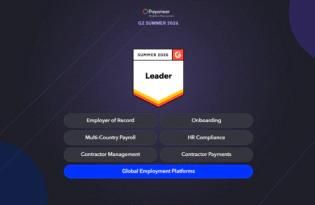
Payoneer Workforce Management named a leader across 12 categories in G2’s Summer 2026 reports
In G2’s Summer 2026 Reports, Payoneer Workforce Management earned leadership recognition across global workforce categories for its reliable payroll, onboarding, compliance, and Employer of Record solutions.


Planning to hire employees in Bulgaria? Here’s a quick guide
Learn how to hire employees in Bulgaria. Covers contracts, work permits, payroll, leave laws, and how Payoneer Workforce Management supports compliance.
Employment laws in Bulgaria
Learn about labor laws compliance in Bulgaria, including contracts, working hours, statutory rights, termination, notice periods, and severance.

Employment laws in Israel
Learn about employment laws in Israel, from contract terms to working hours, from minimum wage to mandatory benefits. Ensure labor law compliance in Israel.
Leave policy in Israel
Explore the leave policy in Israel covering annual leave, sick leave, maternity, paternity leave, and public holidays. Stay compliant with leave laws in Israel.
Your guide to payroll in Bulgaria
Learn how payroll in Bulgaria works, covering income tax, social security, minimum wage, payslip rules, and how to stay compliant after euro adoption.
Leave policy in Bulgaria
A guide to leave laws in Bulgaria, covering annual leave, public holidays, sick leave, maternity and paternity leave, and statutory leave entitlements.

Employment laws in Austria
Labor laws compliance in Austria explained: contracts, working hours, mandatory benefits, notice periods, severance, and key statutes every employer needs.
Leave policy in Austria
Understand leave laws in Austria covering annual leave, sick pay, maternity, paternity, parental leave, and other statutory entitlements that employers must offer.
Latest articles
-

Payoneer Workforce Management named a leader across 12 categories in G2’s Summer 2026 reports
In G2’s Summer 2026 Reports, Payoneer Workforce Management earned leadership recognition across global workforce categories for its reliable payroll, onboarding, compliance, and Employer of Record solutions.
-
What Is Remittance? A Simple Guide for Indian Freelancers and Professionals
Remittance means transferring money across borders. If you receive payments from international clients or have family abroad sending money home, here is what you need to know.
-
Top Online Payment Systems and Ecommerce Payment Methods in India
Explore the top online payment systems for e-commerce businesses in India. Learn how to accept payments securely and efficiently with Payoneer’s global solutions.
-
Planning to hire employees in Bulgaria? Here’s a quick guide
Learn how to hire employees in Bulgaria. Covers contracts, work permits, payroll, leave laws, and how Payoneer Workforce Management supports compliance.
-
Employment laws in Bulgaria
Learn about labor laws compliance in Bulgaria, including contracts, working hours, statutory rights, termination, notice periods, and severance.
-
Employment laws in Israel
Learn about employment laws in Israel, from contract terms to working hours, from minimum wage to mandatory benefits. Ensure labor law compliance in Israel.




Disclaimer
The information in this article/on this page is intended for marketing and informational purposes only and does not constitute legal, financial, tax, or professional advice in any context. Payoneer and Payoneer Workforce Management are not liable for the accuracy, completeness or reliability of the information provided herein. Any opinions expressed are those of the individual author and may not reflect the views of Payoneer or Payoneer Workforce Management. All representations and warranties regarding the information presented are disclaimed. The information in this article/on this page reflects the details available at the time of publication. For the most up-to-date information, please consult a Payoneer and/or Payoneer Workforce Management representative or account executive.
Availability of cards and other products is subject to customer’s eligibility. Not all products are available in all jurisdictions in the same manner. Nothing herein should be understood as solicitation outside the jurisdiction where Payoneer Inc. or its affiliates is licensed to engage in payment services, unless permitted by applicable laws. Depending on or your eligibility, you may be offered the Corporate Purchasing Mastercard, issued by First Century Bank, N.A., under a license by Mastercard® and provided to you by Payoneer Inc., or the Payoneer Business Premium Debit Mastercard®, issued and provided from Ireland by Payoneer Europe Limited under a license by Mastercard®.
Skuad Pte Limited (a Payoneer group company) and its affiliates & subsidiaries provide EoR, AoR, and contractor management services.
