
Leave policy in New Zealand
Explore the leave policy in New Zealand, including annual leave, sick leave, public holidays, parental leave, etc. Know the mandatory leave laws in New Zealand.


The leave policy in New Zealand is governed primarily by the Holidays Act 2003. Understanding the leave laws in New Zealand is essential for both employers and employees in the country. Employees are entitled to a range of leave types, including annual leave, sick leave, parental leave, bereavement leave, etc.
Through this guide, you can gather detailed information on statutory leave in New Zealand. This also helps maintain the required compliance with employee leave entitlements.
Payoneer Workforce Management, a trusted EOR service, helps with employee onboarding, payroll, benefits, and time-off management so that employees have proper leave entitlements in New Zealand.
Vacation & annual leave in New Zealand
Similar to Australia, employees are entitled to 4 weeks of annual leave in New Zealand. However, this leave can only be granted when the employee completes 12 months of service with the same employer.
Public holidays
There are 11 public holidays in New Zealand. Here are the details of public holidays:
- New Year’s Day
- Day after New Year’s Day
- Waitangi Day
- Good Friday
- Easter Monday
- Anzac Day
- King’s Birthday
- Matariki
- Labor Day
- Christmas Day
- Boxing Day
You can use the public holiday calendar for New Zealand while planning a vacation or trip.
Sick leave in New Zealand
Among the mandatory leave entitlements in New Zealand, sick leave is an important one. Employees are entitled to 10 days of sick leave in New Zealand.
The sick leave in New Zealand can be carried over if it has not been taken by the end of the period to which the leave relates.
Maternity leave in New Zealand
Maternity leave in New Zealand is included as part of the parental leave in the country. The number of days of the approved leave depends on the service tenure of the new mother and her partner.
Usually, the primary carer’s leave is up to 26 weeks. This is government-funded paid leave.
The partner has 1-2 weeks of unpaid leave, depending on the employment tenure.
Paternity leave in New Zealand
Paternity leave in New Zealand, similar to maternity leave, is covered under parental leave.
The number of days of sanctioned paternity leave depends on the service tenure of the mother and the partner.
Other types of leaves in New Zealand
Along with the above-mentioned statutory leave in New Zealand, employees in New Zealand are entitled to other types of leave as well. Some prominent ones are as follows:
Bereavement leave
One of the prominent employee leave entitlements in New Zealand is that of bereavement leave. Employees are entitled to a minimum of 3 days of bereavement leave in the country.
Domestic violence leave
Though this leave might sound unfamiliar, employees in New Zealand are entitled to domestic violence leave for 10 days per year.
Explore Payoneer Workforce Management in New Zealand
Employees and employers must abide by the leave laws in New Zealand for compliance. Non-compliance can lead to legal hassle and penalties for the employer. Governed by the Holidays Act 2003, the leave policy in New Zealand helps maintain a perfect work-life balance in the country.
Payoneer Workforce Management, a trusted EOR service, helps with onboarding, payroll, taxes, and time-off management to keep track of the paid time-off in New Zealand. The EOR service assists in ensuring that employees get their due leave entitlements in New Zealand.
Frequently asked questions (FAQs)
Payoneer Workforce Management, a trusted EOR service provider, can assist with the management of leave policy in New Zealand. Our unified platform helps with handling leave approvals and leave tracking. The EOR service extends assistance with leave record maintenance and managing different kinds of leave in compliance with the leave laws in New Zealand.
Yes, employees in New Zealand are entitled to a minimum of 3 days of bereavement leave for the death of a close family member and one day for the death of any other person with whom they had a close relationship.
No, typically, public holidays in New Zealand are separate from annual leave entitlements. If a public holiday falls on a day an employee would normally work, they receive a paid day off without it affecting their annual leave balance.
Yes, 15 days of unused sick leave in New Zealand can be carried forward to any subsequent 1-year period. This can be done for a maximum of 20 days of the current entitlement.
Employees affected by family violence in New Zealand are entitled to 10 days of paid family violence leave per year.
Hire & pay globally with Payoneer Workforce Management
- Expand internationally in 160+ countries
- Run global payroll securely in a few clicks
- Stay compliant with local employment laws
- Let Payoneer Workforce Management manage benefits, work permits, timesheets, and more so you don’t have to


Schedule a demo
Related resources
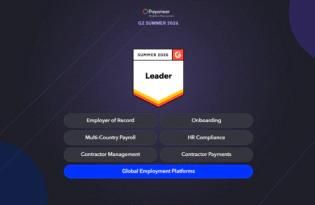
Payoneer Workforce Management named a leader across 12 categories in G2’s Summer 2026 reports
In G2’s Summer 2026 Reports, Payoneer Workforce Management earned leadership recognition across global workforce categories for its reliable payroll, onboarding, compliance, and Employer of Record solutions.


Planning to hire employees in Bulgaria? Here’s a quick guide
Learn how to hire employees in Bulgaria. Covers contracts, work permits, payroll, leave laws, and how Payoneer Workforce Management supports compliance.
Employment laws in Bulgaria
Learn about labor laws compliance in Bulgaria, including contracts, working hours, statutory rights, termination, notice periods, and severance.

Employment laws in Israel
Learn about employment laws in Israel, from contract terms to working hours, from minimum wage to mandatory benefits. Ensure labor law compliance in Israel.
Leave policy in Israel
Explore the leave policy in Israel covering annual leave, sick leave, maternity, paternity leave, and public holidays. Stay compliant with leave laws in Israel.
Your guide to payroll in Bulgaria
Learn how payroll in Bulgaria works, covering income tax, social security, minimum wage, payslip rules, and how to stay compliant after euro adoption.
Leave policy in Bulgaria
A guide to leave laws in Bulgaria, covering annual leave, public holidays, sick leave, maternity and paternity leave, and statutory leave entitlements.

Employment laws in Austria
Labor laws compliance in Austria explained: contracts, working hours, mandatory benefits, notice periods, severance, and key statutes every employer needs.
Leave policy in Austria
Understand leave laws in Austria covering annual leave, sick pay, maternity, paternity, parental leave, and other statutory entitlements that employers must offer.
Latest articles
-

Payoneer Workforce Management named a leader across 12 categories in G2’s Summer 2026 reports
In G2’s Summer 2026 Reports, Payoneer Workforce Management earned leadership recognition across global workforce categories for its reliable payroll, onboarding, compliance, and Employer of Record solutions.
-
What Is Remittance? A Simple Guide for Indian Freelancers and Professionals
Remittance means transferring money across borders. If you receive payments from international clients or have family abroad sending money home, here is what you need to know.
-
Top Online Payment Systems and Ecommerce Payment Methods in India
Explore the top online payment systems for e-commerce businesses in India. Learn how to accept payments securely and efficiently with Payoneer’s global solutions.
-
Planning to hire employees in Bulgaria? Here’s a quick guide
Learn how to hire employees in Bulgaria. Covers contracts, work permits, payroll, leave laws, and how Payoneer Workforce Management supports compliance.
-
Employment laws in Bulgaria
Learn about labor laws compliance in Bulgaria, including contracts, working hours, statutory rights, termination, notice periods, and severance.
-
Employment laws in Israel
Learn about employment laws in Israel, from contract terms to working hours, from minimum wage to mandatory benefits. Ensure labor law compliance in Israel.




Disclaimer
The information in this article/on this page is intended for marketing and informational purposes only and does not constitute legal, financial, tax, or professional advice in any context. Payoneer and Payoneer Workforce Management are not liable for the accuracy, completeness or reliability of the information provided herein. Any opinions expressed are those of the individual author and may not reflect the views of Payoneer or Payoneer Workforce Management. All representations and warranties regarding the information presented are disclaimed. The information in this article/on this page reflects the details available at the time of publication. For the most up-to-date information, please consult a Payoneer and/or Payoneer Workforce Management representative or account executive.
Availability of cards and other products is subject to customer’s eligibility. Not all products are available in all jurisdictions in the same manner. Nothing herein should be understood as solicitation outside the jurisdiction where Payoneer Inc. or its affiliates is licensed to engage in payment services, unless permitted by applicable laws. Depending on or your eligibility, you may be offered the Corporate Purchasing Mastercard, issued by First Century Bank, N.A., under a license by Mastercard® and provided to you by Payoneer Inc., or the Payoneer Business Premium Debit Mastercard®, issued and provided from Ireland by Payoneer Europe Limited under a license by Mastercard®.
Skuad Pte Limited (a Payoneer group company) and its affiliates & subsidiaries provide EoR, AoR, and contractor management services.
