
Employment laws in Switzerland
Learn labor laws in Switzerland, including contracts, termination, notice periods, and employee rights, to help you stay compliant.


For businesses to hire employees in Switzerland, it is important to have a clear understanding of the country’s unique employment framework.
Switzerland has 26 cantons, and the nation does not have a minimum wage enforced across all cantons. For instance, Geneva offers around CHF24.32 per hour, and other cantons like Ticino and Jura have lower thresholds.
Employees are also entitled to other benefits like annual leave, sick leave, etc., the provisions for which are left at the discretion of the employer and the canton in which the employee is working.
If you are an employer, all these things may seem overwhelming to remember and navigate compliance with the labor laws in Switzerland.
A workforce management company like Payoneer Workforce Management can help streamline the operations for you, helping you carry out your business in a smooth manner.
Read on to understand the laws that typically secure employee rights in Switzerland.
Key employment laws in Switzerland
Here are a few key employment laws in Switzerland:
- Swiss Code of Obligations (CO / OR) (Art. 319-362): This is the primary legal source that regulates all aspects of employment, like employment contracts, salary systems, rules about termination, probation period, and many more.
- Swiss Labor Law: This law outlines the rights and obligations of both employers and employees within the legal framework. It helps ensure compliance with key regulations such as working conditions, contracts, and worker protections, which are essential for maintaining fair and lawful employment practices.
- Federal Act on Gender Equality (GEA/GIG): This law prohibits any kind of discrimination at the workplace based on gender. Employees, irrespective of their gender, shall get equal opportunity in terms of promotion, payment, and other aspects of growth in employment.
Contract employment laws in Switzerland
Switzerland has contract employment laws that fix the terms between the employer and the employee.
Types of contract
Here are a few different types of employment contracts in Switzerland:
- Individual employment contract: This is an individual employment contract that is signed between an employer and an employee. It may either be for a fixed term or for an indefinite term.
- Collective employment agreement: This is an agreement between the workers’ union and the employers’ association that sets minimum working conditions that ensure the safety and well-being of employees in a specific sector.
- Standard employment contract: This kind of contract is established by cantonal or federal authorities where there is no collective employment agreement. There are fixed laws about working conditions and minimum wages so that employees are treated fairly. You, as an employer, cannot offer terms below these standards.
Essential contract terms
An employment contract should contain the following information:
- The employer’s and the employee’s name
- The date of commencement of the employment
- The roles and responsibilities of the employee
- The salary, other allowances, and benefits that the employee is entitled to
- The employee’s weekly working hours
- If the contract is for a fixed term, the end date of the employment contract
- Overtime rules
Minimum wage in Switzerland
There is no fixed minimum wage that is followed all across the country. The minimum wage in Switzerland varies from one canton to another. For instance, the minimum wage in Geneva per hour is CHF24.32, that in Neuenberg is CHF20.08, CHF20 for Jura, and CHF19 for Ticino.
Working hours in Switzerland
The minimum working hours for employees in Switzerland are 40 hours a week. If needed, you may request them to work overtime. However, you have to pay your employees a 40% supplement for overtime work.
Mandatory benefits
In addition, employees in Switzerland have access to various benefits designed to help them achieve a better work–life balance.
Annual leave
Employees in Switzerland shall get 20 annual leaves in the first year of their service. After 1 year, they get 25 annual leaves.
Sick leave
The Swiss labor law does not specify any fixed number of leaves for employees on account of sickness that should be followed across all cantons. However, you may define the provisions for sick leave in the employment contract that you issue to the employee.
Typically, the employer pays for 15 days, and the national insurance pays the employee after that.
Social security benefits
Switzerland has a strong social security system funded by mandatory contributions from both employers and employees.
Some contribution rates are fixed, while others vary based on factors like salary, age, and job-related risk.
These contributions help provide benefits such as pensions, accident insurance, and unemployment support. Employers contribute 5.3% toward social security.
Maternity leave
Female employees in Switzerland are entitled to a maternity leave of 14 weeks.
If the employee is insured under the AHV scheme for 9 months before the birth of the child, has worked for at least 5 months during pregnancy, or is employed at the time of childbirth, they are entitled to benefits from the social security system.
Paternity leave
You must allow your male employees to take a paid paternity leave for 2 weeks within 6 months of childbirth.
Public holidays
There are 12 public holidays in Switzerland. They are determined at the cantonal level, which results in variation across different regions. Nevertheless, some holidays like New Year’s Day, Christmas Day, and Ascension Day are observed as public holidays nationwide.
Additional leaves
Some types of leave are particularly important for personal needs, allowing employees to attend to specific matters in their private lives.
- Compassionate leave: Employees shall get 1-3 days of compassionate leave on the death of their parents, husband, wife, a registered partner, children, siblings, grandparents, etc.
- Wedding leave: You must allow 3 days’ holiday on account of an employee’s wedding and 1 day’s leave on account of the marriage of the employee’s parents, children, or siblings.
- Military recruitment: For military recruitment processes, employees can take leave up to 3 days.
- House relocation: Employees shall get 1-2 days of leave for relocating their household, based on the distance of the place to which they are relocating.
- To look for a job after cancellation: Once an employment contract is terminated, employees must be given 2 days to support them in searching for new employment.
Termination
According to the termination laws in Switzerland, you should have a valid reason to terminate an employment contract.
Types of termination scenarios
Listed below are some scenarios under which termination of an employee may be considered valid.
- Ordinary dismissal, or dismissal due to a specific reason
- The employee’s decision to dissolve an employment contract
- The automatic termination of a fixed-term employment contract
- Mutual decision between you and the employee to dissolve the employment contract
In case of unjustified termination of the employment contract, you have to pay 6 months’ salary to the employee as indemnification.
You should keep the termination in writing so that both parties have an official document to refer to.
Probation period
The minimum mandatory period is 1 month, but you may keep an employee on probation for up to 6 months to assess their performance. The probation period in Switzerland shall, however, not exceed 6 months.
Notice period
- When an employee is dismissed during probation, a 14-day notice period has to be observed.
- If you or your employee decides to dissolve an employment contract after the completion of the probation period, a notice period ranging between 1 and 6 months has to be observed based on the employee’s seniority.
Severance pay
According to the rules about severance pay in Switzerland, if the employment contract with an employee, who is older than 50 and has worked for at least 20 years, is dissolved, you have to pay a severance equal to the employee’s two months’ salary.
Navigate employment laws in Switzerland with trusted support
Staying compliant with labor laws in Switzerland is essential for employers to reduce legal risks, penalties, and fines. A clear understanding of local employment regulations is therefore crucial for managing a compliant workforce.
Using a workforce management platform, such as Payoneer Workforce Management, can help simplify this process by helping businesses navigate complex labor laws.
It helps you manage key functions like payroll and tax management, employee onboarding and offboarding, and the administration of leave and benefits, making workforce management more efficient.
Frequently asked questions (FAQs)
An employment contract in Switzerland acts as an official document that records all the important details of the employment, like its start and end date, the employee’s job role and description, working hours, salary and benefits, and so on.
Employees in Switzerland get leave on public holidays based on the canton they are working in. They get 20 annual leaves, which becomes 25 after the employee completes 1 year of service. There are other leaves like maternity and paternity leave, wedding leave, sick leave, compassionate leave, etc., which help them accomplish their personal tasks without disturbing their professional commitments.
Yes, employers have to pay a supplement of 40% for overtime work in Switzerland.
Minimum hourly pay in Switzerland is not set at a national level; instead, it varies by canton, meaning there is no single standard rate applied across all 26 cantons.
With differences across cantons and ever-changing regulatory requirements, navigating employment laws in Switzerland can be challenging. Using a workforce management solution like Payoneer Workforce Management can make this process more manageable and help with labor law compliance in Switzerland.
It supports essential functions such as payroll, tax compliance, employee onboarding and offboarding, and benefits administration, helping you run your operations smoothly while staying aligned with local employment regulations.
Hire & pay globally with Payoneer Workforce Management
- Expand internationally in 160+ countries
- Run global payroll securely in a few clicks
- Stay compliant with local employment laws
- Let Payoneer Workforce Management manage benefits, work permits, timesheets, and more so you don’t have to


Schedule a demo
Related resources
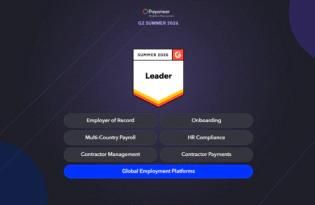
Payoneer Workforce Management named a leader across 12 categories in G2’s Summer 2026 reports
In G2’s Summer 2026 Reports, Payoneer Workforce Management earned leadership recognition across global workforce categories for its reliable payroll, onboarding, compliance, and Employer of Record solutions.


Planning to hire employees in Bulgaria? Here’s a quick guide
Learn how to hire employees in Bulgaria. Covers contracts, work permits, payroll, leave laws, and how Payoneer Workforce Management supports compliance.
Employment laws in Bulgaria
Learn about labor laws compliance in Bulgaria, including contracts, working hours, statutory rights, termination, notice periods, and severance.

Employment laws in Israel
Learn about employment laws in Israel, from contract terms to working hours, from minimum wage to mandatory benefits. Ensure labor law compliance in Israel.
Leave policy in Israel
Explore the leave policy in Israel covering annual leave, sick leave, maternity, paternity leave, and public holidays. Stay compliant with leave laws in Israel.
Your guide to payroll in Bulgaria
Learn how payroll in Bulgaria works, covering income tax, social security, minimum wage, payslip rules, and how to stay compliant after euro adoption.
Leave policy in Bulgaria
A guide to leave laws in Bulgaria, covering annual leave, public holidays, sick leave, maternity and paternity leave, and statutory leave entitlements.

Employment laws in Austria
Labor laws compliance in Austria explained: contracts, working hours, mandatory benefits, notice periods, severance, and key statutes every employer needs.
Leave policy in Austria
Understand leave laws in Austria covering annual leave, sick pay, maternity, paternity, parental leave, and other statutory entitlements that employers must offer.
Latest articles
-

Payoneer Workforce Management named a leader across 12 categories in G2’s Summer 2026 reports
In G2’s Summer 2026 Reports, Payoneer Workforce Management earned leadership recognition across global workforce categories for its reliable payroll, onboarding, compliance, and Employer of Record solutions.
-
What Is Remittance? A Simple Guide for Indian Freelancers and Professionals
Remittance means transferring money across borders. If you receive payments from international clients or have family abroad sending money home, here is what you need to know.
-
Top Online Payment Systems and Ecommerce Payment Methods in India
Explore the top online payment systems for e-commerce businesses in India. Learn how to accept payments securely and efficiently with Payoneer’s global solutions.
-
Planning to hire employees in Bulgaria? Here’s a quick guide
Learn how to hire employees in Bulgaria. Covers contracts, work permits, payroll, leave laws, and how Payoneer Workforce Management supports compliance.
-
Employment laws in Bulgaria
Learn about labor laws compliance in Bulgaria, including contracts, working hours, statutory rights, termination, notice periods, and severance.
-
Employment laws in Israel
Learn about employment laws in Israel, from contract terms to working hours, from minimum wage to mandatory benefits. Ensure labor law compliance in Israel.




Disclaimer
The information in this article/on this page is intended for marketing and informational purposes only and does not constitute legal, financial, tax, or professional advice in any context. Payoneer and Payoneer Workforce Management are not liable for the accuracy, completeness or reliability of the information provided herein. Any opinions expressed are those of the individual author and may not reflect the views of Payoneer or Payoneer Workforce Management. All representations and warranties regarding the information presented are disclaimed. The information in this article/on this page reflects the details available at the time of publication. For the most up-to-date information, please consult a Payoneer and/or Payoneer Workforce Management representative or account executive.
Availability of cards and other products is subject to customer’s eligibility. Not all products are available in all jurisdictions in the same manner. Nothing herein should be understood as solicitation outside the jurisdiction where Payoneer Inc. or its affiliates is licensed to engage in payment services, unless permitted by applicable laws. Depending on or your eligibility, you may be offered the Corporate Purchasing Mastercard, issued by First Century Bank, N.A., under a license by Mastercard® and provided to you by Payoneer Inc., or the Payoneer Business Premium Debit Mastercard®, issued and provided from Ireland by Payoneer Europe Limited under a license by Mastercard®.
Skuad Pte Limited (a Payoneer group company) and its affiliates & subsidiaries provide EoR, AoR, and contractor management services.
