
Global mass payouts and integrations for marketplaces
For smooth operations and efficient fund transfers, marketplaces rely on integrating global mass payouts solutions. As experts in the cross-border payment industry, we have explored the challenges and best practices for implementing payouts solutions in today’s marketplace landscape, including compliance, currency exchange, payment reconciliation, security, and technical integration.


The modern marketplace landscape
Marketplaces have become an integral part of today’s global economy, revolutionizing the way businesses operate by connecting buyers and sellers across borders. Platforms like Amazon, eBay, Alibaba, and Airbnb dominate the ecommerce landscape, processing millions of transactions daily and handling payments for sellers and service providers across different countries and currencies.
The efficient and seamless transfer of funds is a critical aspect for the growth of marketplaces transactions, and global mass payout integrations play a vital role.
Uncovering global mass payout challenges and best practices
Global mass payouts refer to the process of transferring funds to multiple recipients, across different countries or territories, simultaneously. This type of payout is typically used by marketplaces to facilitate payments to their sellers, affiliates, or service providers. Integrations, on the other hand, involve connecting different systems or platforms to enable smooth data exchange and transaction processing.
In recent years, global mass payouts and integrations have gained significant importance in the world of marketplaces, as they offer numerous benefits and opportunities for growth. However, they also come with their fair share of challenges, which need to be addressed for a successful implementation.
The challenges of global mass payouts
While global mass payouts offer significant advantages for marketplaces, they also pose challenges, including:
Regulatory Compliance: Marketplaces need to comply with different regulations and laws across countries, including anti-money laundering (AML) and know-your-customer (KYC) requirements. Failure to comply with these regulations can result in hefty fines and penalties.
Currency Exchange and Conversion: Global mass payouts often involve transactions in different currencies, which can be complex and time-consuming. Currency exchange rates and conversion fees can impact the overall cost of payouts and directly affect the earnings that sellers and service providers cash in.
Payment Reconciliation: Marketplaces need to reconcile payments made to sellers or service providers with their internal records, which can be challenging when dealing with a large volume of transactions. Discrepancies in payment amounts, currency conversions, or transaction fees can create confusion and disputes.
Payment Security: Transferring large amounts of funds leaves marketplaces vulnerable to fraud and security breaches. This means they need to implement robust security measures to protect against unauthorized access, data breaches, and fraudulent activities.
Technical Integration: Integrating different systems and platforms for global mass payouts can be complex and require expertise in API integration, data mapping, and transaction processing. Marketplaces need to ensure seamless integration to avoid disruptions in payment processing and user experience.
Best practices for implementing global mass payouts
Implementing global mass payouts requires careful planning and execution. Here are some best practices to consider:
Choose a reliable payment service provider: Select a payment service provider with a proven track record in handling global mass payouts. Look for features such as multi-currency support, compliance with local regulations, robust security measures, and excellent customer support.
Understand local regulations and compliance requirements: Each country may have different regulations and compliance requirements for cross-border payments. Familiarize yourself with these regulations and ensure your payout process is compliant.
Implement strong security measures: Protecting sensitive financial information is critical in global mass payouts. Implement strong security measures, such as encryption, multi-factor authentication, and regular security audits, to safeguard against fraud and cybersecurity threats.
Automate payment processes: Automating payment processes can save time, reduce errors, and ensure timely payouts. Use payment automation tools, such as payment gateways, APIs, and accounting software, to streamline the payout process and increase efficiency.
Monitor and reconcile payouts: Regularly monitor and reconcile payouts to ensure accuracy and resolve any discrepancies promptly. Keep records of all payouts and reconcile them with your accounting and financial systems to maintain transparency and accuracy.
Provide excellent customer support: Offer responsive and reliable customer support to address any questions or concerns from payees. Promptly respond to inquiries, provide clear communication, and resolve any issues to maintain trust and satisfaction.
Test and optimize payout processes: Continuously test and optimize your payout processes to identify and resolve any potential bottlenecks or inefficiencies. Regularly review and optimize your integrations, security measures, and payout workflows to ensure smooth and seamless operations.
Conclusion
In today’s global marketplace landscape, efficient and seamless global mass payouts are crucial for marketplaces to ensure smooth operations and provide a positive user experience. Integrations play a key role in automating the payment process, enhancing operational efficiency, and expanding market reach.
However, careful consideration of payment methods, regulatory compliance, currency exchange, integration with the marketplace platform, payment security, and customer support are essential for a successful implementation.
By following best practices and continuously improving the payment process, marketplaces can optimize global mass payouts and drive growth in the competitive global marketplace landscape.
Related resources
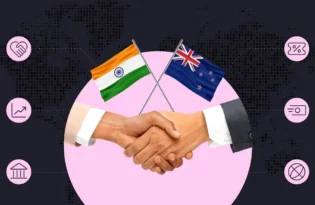
India–New Zealand FTA 2026: What Every Indian Exporter Needs to Know Right Now
India–New Zealand free trade agreement (FTA) provides duty-free access across all tariff lines for Indian exports. Here's what exporters need to know before it enters into force.


Stripe vs Payoneer in India: Everything You Need to Make Your Choice
Explore the key differences between Stripe and Payoneer in India to determine which payment platform best suits your business needs.

India’s Top 10 B2B Payment Gateways
Explore the top 10 B2B payment gateways in India. Compare features, fees, security, and integration options to choose the best payment solution for your business.

Razorpay vs. Payoneer in India: Everything You Need to Know
Compare Razorpay and Payoneer for online payments in India. Explore features, pricing, global reach, and which is better for freelancers and small businesses.

Best Payment Solutions for Freelancers and Contractors in India
Explore the best ways for freelancers and contractors in India to get paid. Learn how to request payments, withdraw funds, and manage payments with Payoneer.

How to Open a Business Bank Account Online in India: A Complete Guide
Opening a business bank account in India? Learn the full process, required documents, and the best online banking options for small businesses and LLCs.

Discover how much you can save with Payoneer Checkout
Compare potential checkout savings fees between Payoneer, PayPal, and Stripe . Excludes gateway and chargeback fees
Defying the odds: How Ukrainian businesses thrive during war
One year post-war, Ukraine's businesses adapt and thrive amidst adversity. Entrepreneurs showcase resilience, reflecting national tenacity. Many diversify, venturing into e-commerce and digital realms. Despite hurdles, 44% of SMBs aim…

What Are The Best Payment Options For Freelancers?
Freelancers offer flexibility and expertise without the overhead of traditional employees. However, processing invoices and payments for international freelancers can be a complex and time-consuming process. To work with freelancers…
Latest articles
-

India–New Zealand FTA 2026: What Every Indian Exporter Needs to Know Right Now
India–New Zealand free trade agreement (FTA) provides duty-free access across all tariff lines for Indian exports. Here’s what exporters need to know before it enters into force.
-
Employment laws in Malawi
Navigate the employment laws in Malawi with confidence. Learn about hiring, employment contracts, wages, and labor law compliance in Malawi.
-
Leave policy in Malawi
A complete guide to the leave policy in Malawi covering annual, sick, maternity leave, paternity leave, and key compliance requirements for employers.
-
Your guide to payroll in Malawi
Manage Malawi payroll processing with ease. Understand taxes, social security, compliance, and pay cycles for smooth and accurate processing.
-
Planning to hire employees in Malawi? Here’s a quick guide
Learn how to hire in Malawi by navigating the employment laws, employment contracts, taxation, HR compliance, and payroll.
-
Leave policy in Jordan
Learn about the leave policy in Jordan. The leave laws in Jordan cover various leaves, such as annual leave in Jordan, maternity leave, paternity leave, etc.


Disclaimer
The information in this article/on this page is intended for marketing and informational purposes only and does not constitute legal, financial, tax, or professional advice in any context. Payoneer and Payoneer Workforce Management are not liable for the accuracy, completeness or reliability of the information provided herein. Any opinions expressed are those of the individual author and may not reflect the views of Payoneer or Payoneer Workforce Management. All representations and warranties regarding the information presented are disclaimed. The information in this article/on this page reflects the details available at the time of publication. For the most up-to-date information, please consult a Payoneer and/or Payoneer Workforce Management representative or account executive.
Availability of cards and other products is subject to customer’s eligibility. Not all products are available in all jurisdictions in the same manner. Nothing herein should be understood as solicitation outside the jurisdiction where Payoneer Inc. or its affiliates is licensed to engage in payment services, unless permitted by applicable laws. Depending on or your eligibility, you may be offered the Corporate Purchasing Mastercard, issued by First Century Bank, N.A., under a license by Mastercard® and provided to you by Payoneer Inc., or the Payoneer Business Premium Debit Mastercard®, issued and provided from Ireland by Payoneer Europe Limited under a license by Mastercard®.
Skuad Pte Limited (a Payoneer group company) and its affiliates & subsidiaries provide EoR, AoR, and contractor management services.
