
Leave policy in Denmark
Learn about the leave policy in Denmark. Understand the leave laws in Denmark, including leave entitlements such as annual leave, sick leave, public holidays, etc.
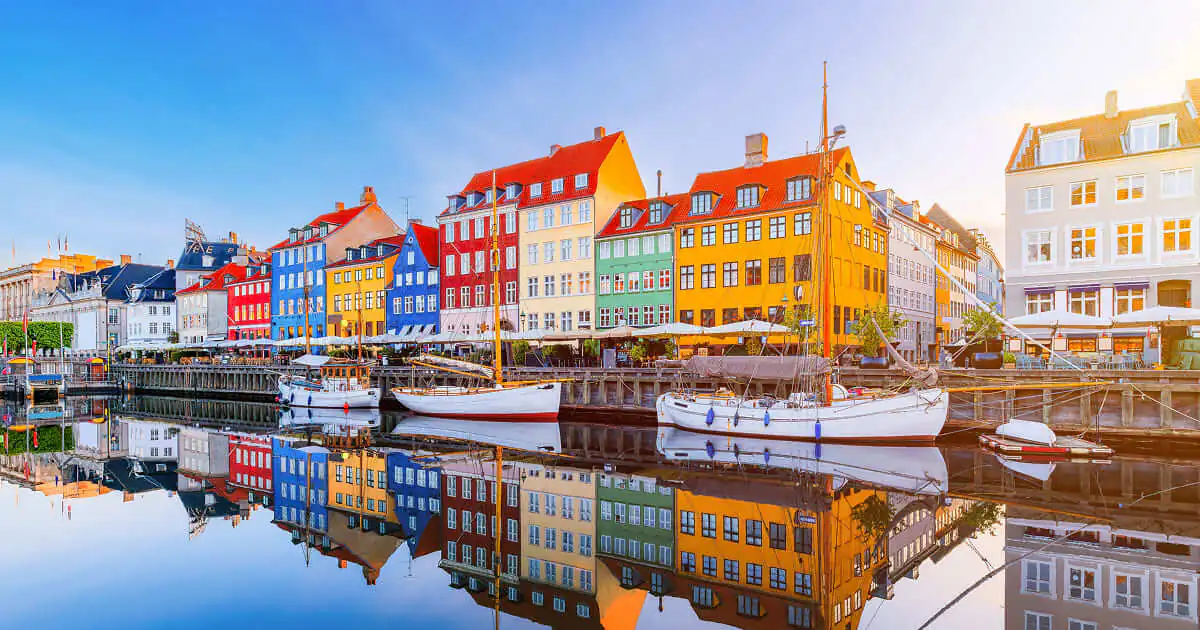

Denmark has one of the most employee-friendly and comprehensive leave policies in the world. The leave policy in Denmark is governed by the Holiday Act (Ferieloven). The policy reflects the strong welfare state tradition and commitment to work-life balance.
Funded through a combination of state benefits, employer contributions, and national holiday fund (FerieKonto), Denmark’s leave framework ensures financial security during periods away from work.
The leave laws in Denmark and the Danish leave system encompass a wide range of entitlements, including holiday leave, sick leave, parental leave, and care leave to support employees at various stages of life.
Employers have to follow the leave policy in Denmark to comply with local employment laws. Workforce management platforms like Payoneer Workforce Management support with navigating local laws, time-off management, maintaining payroll, onboarding and termination, HR administration, etc.
Vacation & annual leave in Denmark
- Employees are entitled to paid annual leave in Denmark for 25 days per year.
- The vacation year runs from 1st September to 31st August of every year, and must be used by 31st December of the following year.
Leave carry forward policy in Denmark
- Denmark offers a leave carry-forward policy for employees in the country.
- Employees can carry forward up to 5 days to the next year. The remaining balance must be encashed.
- If an employee has been employed with a company for 6 months or less, the carry-forward of 5 days is not applicable.
Public holidays
- Employees can enjoy 12 public holidays in Denmark.
- Here is the holiday calendar in Denmark. The dates will vary for every year. Employees can plan their holidays accordingly:
- New Year’s Day
- Maundy Thursday
- Good Friday
- Easter Sunday
- Easter Monday
- Ascension Day
- Pentecost Sunday
- Whit Monday
- Constitution Day
- Christmas Eve
- Christmas Day
- Boxing Day
Sick leave in Denmark
- There are unlimited sick leave entitlements in Denmark.
- As a general rule, employees covered under the Act on Salaried Employees are entitled to receive their full salary during periods of sick leave.
- Other types of employees might be entitled to partial or full pay during sick leave in Denmark, if this is stated in the applicable collective agreements or in their employment contracts.
- Employees have to inform their employer on the first day of sickness. After a few days of absence, a medical certificate from a certified doctor is needed.
- For prolonged sick leave, the authorities must be notified within the first 30 days.
Maternity leave in Denmark
- Maternity leave is a statutory leave in Denmark. Employees can take up to 18 weeks of maternity leave.
- Under the Civil Act, mothers are entitled to 50% of their salary for 4 weeks before and 14 weeks after the due date. This is the minimum requirement.
- Employers can claim a social security refund for up to 32 weeks.
- Maternity leave beyond this period is unpaid by the employer.
Paternity leave in Denmark
There is no mandated paternity leave in Denmark. It is based on company policy.
Other types of leaves in Denmark
Apart from the general paid time off in Denmark, there are other types of leave in the country to which employees are entitled. Some of them are as follows:
Childcare leave
Both father and mother are eligible for childcare leave in Denmark.
Mother: Total 28 weeks
- Pregnancy leave – 4 weeks before birth
- 2 weeks immediately after birth (non-transferable)
- 13 weeks (transferable to other parent)
- 9 weeks (non-transferable)
Father / Co-mother: Total 24 weeks
- 2 weeks immediately after birth (non-transferable)
- 13 weeks (transferable to other parent)
- 9 weeks (non-transferable)
Compassionate leave
There is no mandated or statutory compassionate leave in Denmark for employees. Such leaves are usually based on company policy.
Wedding leave
Similar to compassionate leave, there is no wedding leave in Denmark. Employees are eligible for such leave if mentioned in the company policy.
Explore Payoneer Workforce Management in Denmark
Management of leave policy in Denmark requires expertise, as leave entitlements vary depending on the employee types. Companies can collaborate with a workforce management platform to engage with local talent and manage employment contracts.
For instance, Payoneer Workforce Management, offers comprehensive support for onboarding talent, time-off management, payroll and more.
Book a demo with Payoneer Workforce Management right away!
FAQs
1. Is maternity leave a statutory leave in Denmark?
Yes, a maternity leave of 18 weeks is statutory in Denmark. Mothers are entitled to 50% of their salary for 4 weeks before and 14 weeks after the due date. This is the minimum requirement. Employers can claim a social security refund for up to 32 weeks.
2. Are employees entitled to annual leave in Denmark?
According to the leave policy in Denmark, employees are entitled to 25 days of annual leave in Denmark.
3. Can parental leave be taken simultaneously by both parents in Denmark?
Yes, typically both parents, father and mother, can take parental leave at the same time. This allows sharing childcare duties. This is particularly useful in the early months after a child’s birth or adoption.
4. Does Denmark offer a leave carry-forward policy to its employees?
Yes, Denmark offers a leave carry-forward policy to employees. Employees can carry forward up to 5 days to the next year. The remaining balance must be encashed. If an employee has been employed with a company for 6 months or less, the carry-forward of 5 days is not applicable.
5. Are employees protected from dismissal while on parental leave in Denmark?
Danish law typically protects employees from dismissal during parental leave. Dismissing an employee because of pregnancy or parental leave may be considered discrimination and is usually prohibited under the Equal Treatment Act.
Hire & pay globally with Payoneer Workforce Management
- Expand internationally in 160+ countries
- Run global payroll securely in a few clicks
- Stay compliant with local employment laws
- Let Payoneer Workforce Management manage benefits, work permits, timesheets, and more so you don’t have to


Schedule a demo
Related resources

Employment laws in Serbia
Explore employment laws in Serbia, including contracts, working hours, overtime, employee rights, and termination rules.

Leave policy in Serbia
Learn about leave entitlements in Serbia, including paid time off, sick leave, and maternity benefits. Understand public holidays and employer compliance requirements.

Leave policy in Croatia
A guide to leave entitlements in Croatia, including annual, sick, maternity, paternity, and public holidays. Know the compliance requirements for employers.

Employment laws in Belgium
Understand employment laws in Belgium, including contracts, working hours, termination rules, and compliance requirements for hiring and managing employees.
Your guide to payroll in Belgium
A complete guide on how to pay employees in Belgium. Learn how to manage taxes, apply deductions, navigate local compliance, and employment costs.
Your guide to payroll in Serbia
Pay employees in Serbia, and understand payroll compliance in Serbia. Learn about the various taxes in the country, along with payroll management in Serbia.
Leave policy in Belgium
Have a look at the leave entitlements in Belgium, covering annual leave, sick leave, parental leave, public holidays, and compliance essentials.
Planning to hire employees in Serbia? Here’s a quick guide
The hiring process in Serbia includes onboarding, employment regulations, and tax compliance. This guide walks you through the process of hiring employees in Serbia and how Payoneer Workforce Management can…

Your guide to payroll in Peru
A detailed look at payroll management in Peru, including pay cycles, salary tax, employer taxes, deductions, and payroll compliance. Explore tips for payroll compliance in Peru.
Latest articles
-

Employment laws in Serbia
Explore employment laws in Serbia, including contracts, working hours, overtime, employee rights, and termination rules.
-
Leave policy in Serbia
Learn about leave entitlements in Serbia, including paid time off, sick leave, and maternity benefits. Understand public holidays and employer compliance requirements.
-
Leave policy in Croatia
A guide to leave entitlements in Croatia, including annual, sick, maternity, paternity, and public holidays. Know the compliance requirements for employers.
-
Leave policy in Denmark
Learn about the leave policy in Denmark. Understand the leave laws in Denmark, including leave entitlements such as annual leave, sick leave, public holidays, etc.
-
Employment laws in Belgium
Understand employment laws in Belgium, including contracts, working hours, termination rules, and compliance requirements for hiring and managing employees.
-
Your guide to payroll in Belgium
A complete guide on how to pay employees in Belgium. Learn how to manage taxes, apply deductions, navigate local compliance, and employment costs.



Disclaimer
The information in this article/on this page is intended for marketing and informational purposes only and does not constitute legal, financial, tax, or professional advice in any context. Payoneer and Payoneer Workforce Management are not liable for the accuracy, completeness or reliability of the information provided herein. Any opinions expressed are those of the individual author and may not reflect the views of Payoneer or Payoneer Workforce Management. All representations and warranties regarding the information presented are disclaimed. The information in this article/on this page reflects the details available at the time of publication. For the most up-to-date information, please consult a Payoneer and/or Payoneer Workforce Management representative or account executive.
Availability of cards and other products is subject to customer’s eligibility. Not all products are available in all jurisdictions in the same manner. Nothing herein should be understood as solicitation outside the jurisdiction where Payoneer Inc. or its affiliates is licensed to engage in payment services, unless permitted by applicable laws. Depending on or your eligibility, you may be offered the Corporate Purchasing Mastercard, issued by First Century Bank, N.A., under a license by Mastercard® and provided to you by Payoneer Inc., or the Payoneer Business Premium Debit Mastercard®, issued and provided from Ireland by Payoneer Europe Limited under a license by Mastercard®.
Skuad Pte Limited (a Payoneer group company) and its affiliates & subsidiaries provide EoR, AoR, and contractor management services.
